Radio Science Institute Blog
Homepage
Blog Sourcecode
Blog Pipeline
Remarks on pages
Categories
All
(18)
gnss
(2)
milky_way
(5)
moon
(2)
radio_astronomy
(16)
sun
(2)
technic
(15)
Order By
Default
Title
Date - Oldest
Date - Newest
Author
Fake GPS Dongle with NTP
technic
gnss
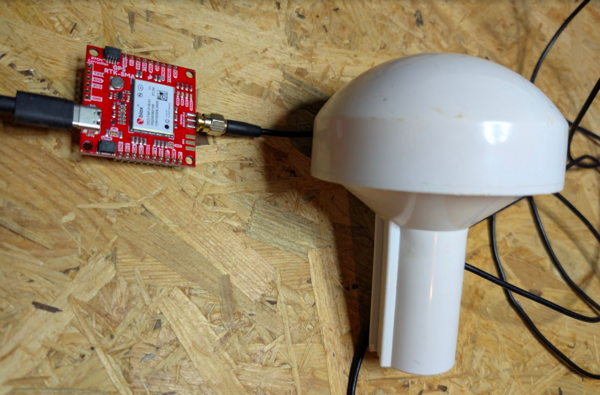
There is a certain kind of problem that only exists at the intersection of “I want this to work properly” and “I cannot have the thing that would normally make it work.” You…
Ansgar Schmidt
May 27, 2026
New Moon in May 2026
technic
radio_astronomy
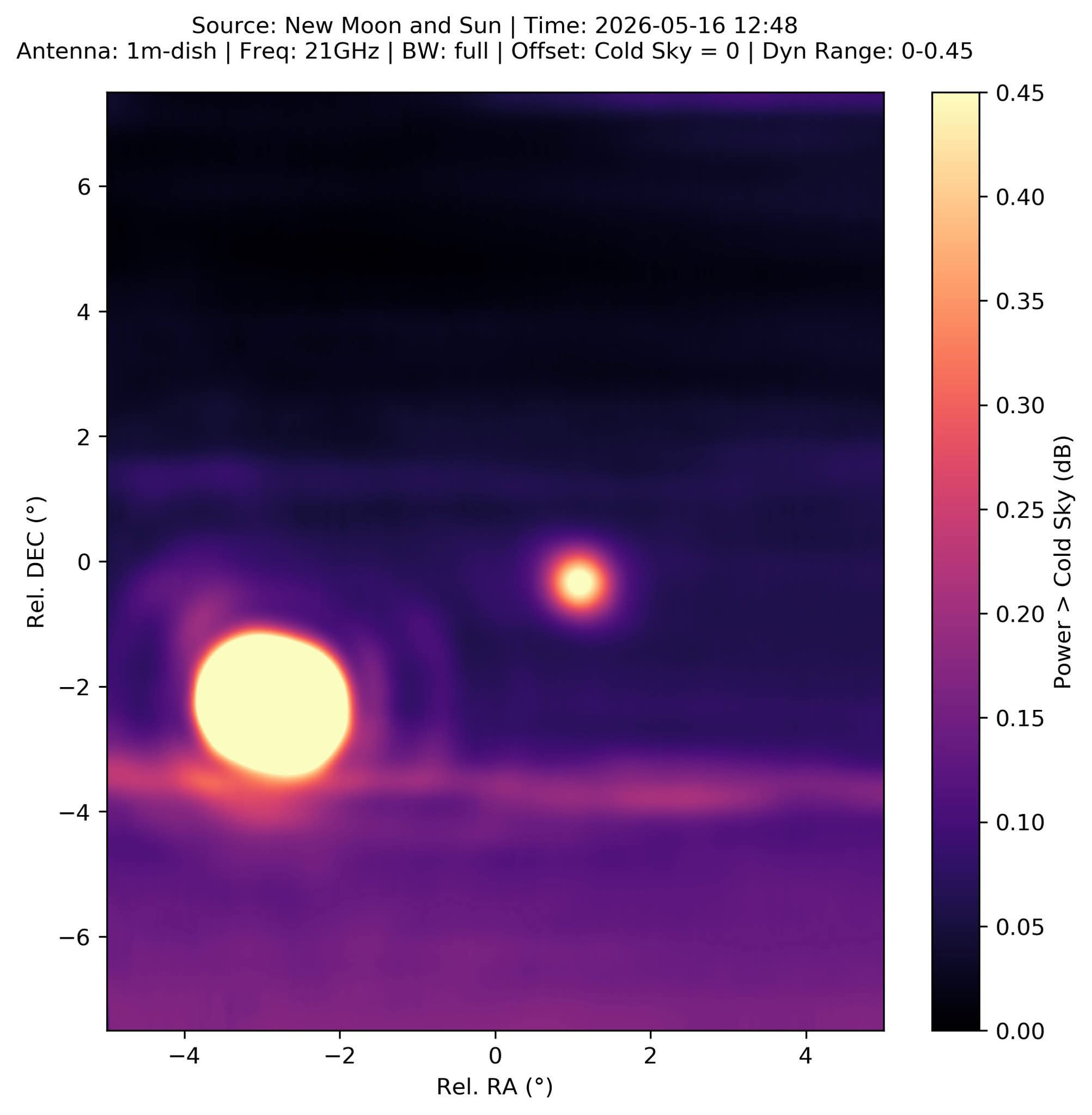
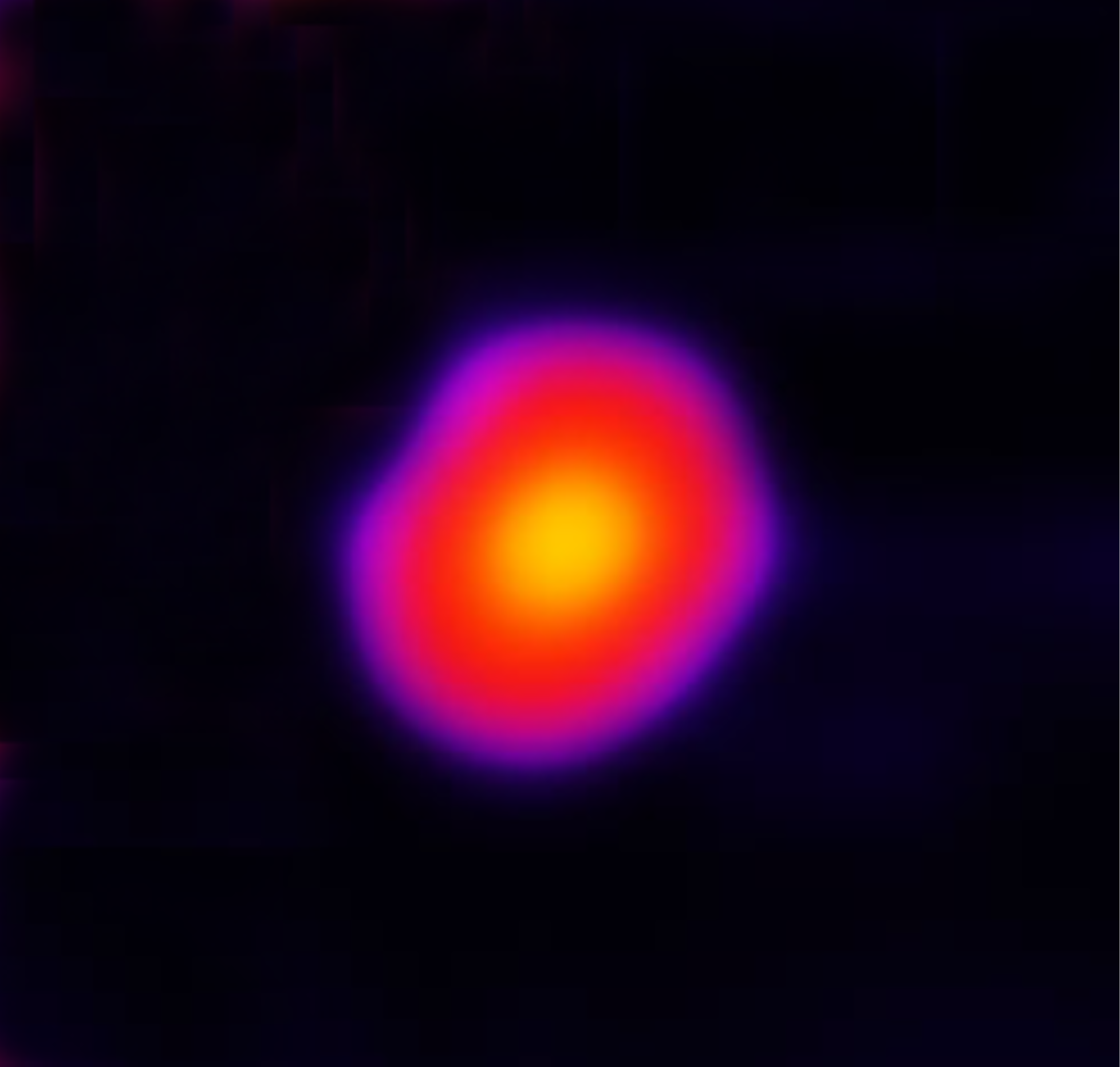
Here is an image of the New Moon near the Sun from 5/16/2026 around noon. Recorded with a 1 m dish at 21 GHz using our new software for automatic sky scanning.
Dr. Klaus Henning
May 16, 2026
How to get GNSS from 5 meter to 1 centimetre
technic
gnss
Standard GPS gives you roughly 2 to 5 metres of position accuracy on a good day. Real-Time Kinematic positioning — RTK — gives you around 1 centimetre. That is a 200× to…
Ansgar Schmidt
May 3, 2026
Determining the Beamwidth of a 60-cm Parabolic Antenna
technic
radio_astronomy
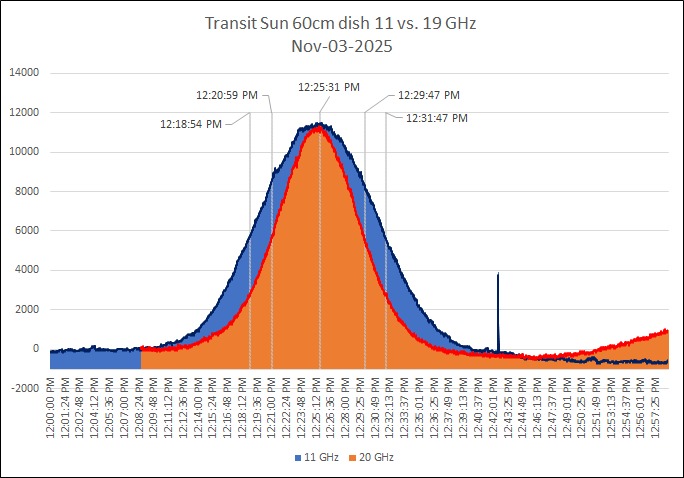
The 3-dB beamwidth (half-power beam width, HPBW) is a key parameter in radio astronomy as it determines the angular resolution of a radio telescope. It describes the angular…
Dr. Klaus Henning
Nov 5, 2025
The Clarke Belt in the Ku-Band – A Stroll with the Radio Telescope
technic
radio_astronomy
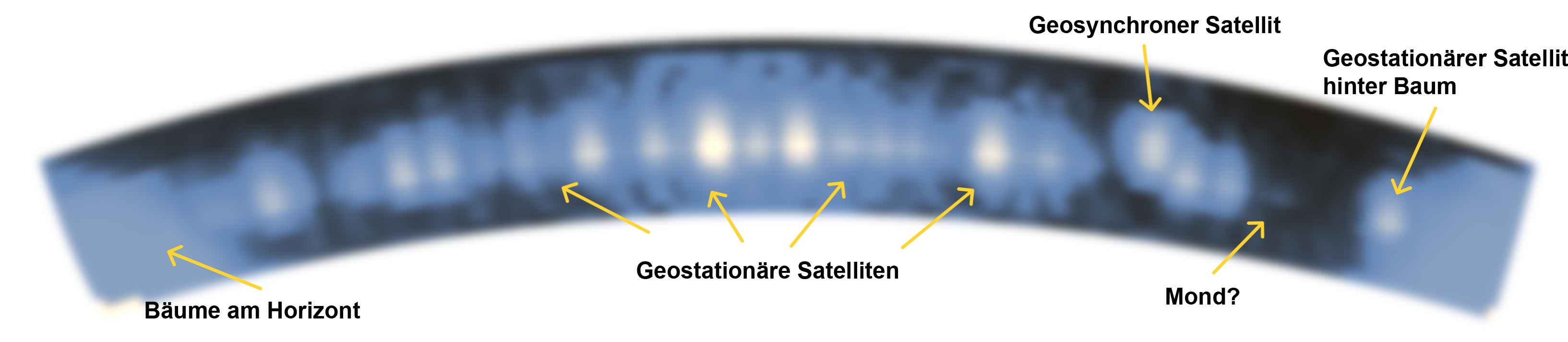
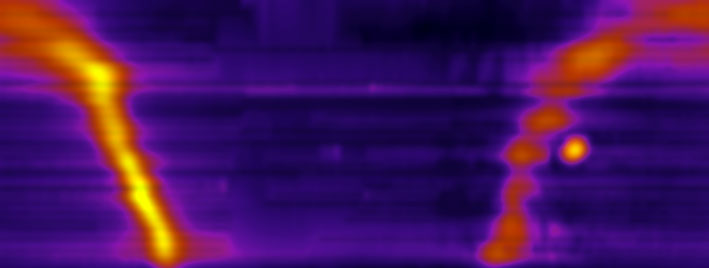
A few weeks ago we carried out a fascinating observation with our 1-metre radio telescope: we scanned the so-called Clarke Belt — that is, the celestial equator populated by…
Dr. Klaus Henning
Jul 26, 2025
Radio Astronomy of the Moon with Simple Means
technic
radio_astronomy
The Moon is one of the most prominent objects in the night sky — not only in visible light but also in the radio domain. This property makes it a rewarding target for…
Dr. Klaus Henning
Jul 2, 2025
Listening to the Milky Way – with a Satellite Dish
technic
radio_astronomy
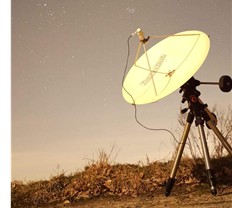
With the simplest of means and a budget of under €200, it is now possible to practise radio astronomy yourself and make the Milky Way visible — even in the middle of a large…
Dr. Klaus Henning
Jun 1, 2025
Broadband Detector Based on the AD8362
technic
radio_astronomy
In radio astronomy there are two fundamentally different approaches to signal processing: analogue and digital. Both have their advantages and disadvantages — particularly…
Dr. Klaus Henning
May 15, 2025
Observing Cygnus A – A First Attempt
radio_astronomy
technic
milky_way
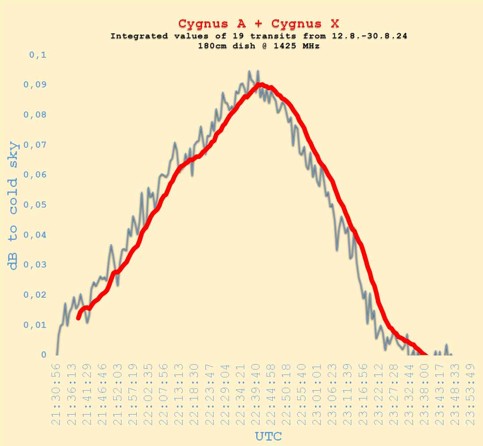
Observing Cygnus A – A First Attempt
Dr. Klaus Henning
Apr 17, 2025
Spectral Map of the Milky Way at 1420.4 MHz between Canis Major and Sagittarius
radio_astronomy
milky_way
Spectral map of the Milky Way at 1420.4 MHz between the constellations Canis Major and Sagittarius.
Dr. Klaus Henning
Apr 7, 2025
Observing the Moon during the Lunar Eclipse of 18 September 2024
radio_astronomy
moon
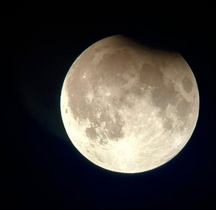
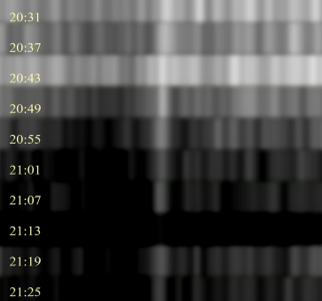
On the occasion of the lunar eclipse on 18 September 2024, we observed the full Moon with our mobile 1-metre radio telescope.
Dr. Klaus Henning
Apr 6, 2025
Orion KL with a Home-Built 1-Metre Radio Telescope
radio_astronomy
technic
milky_way
Observing the Water Maser in the Orion KL Nebula with a 1-Metre Radio Telescope
Dr. Klaus Henning
Apr 6, 2025
The Galactic Anticenter with a 1-Metre Radio Telescope
radio_astronomy
milky_way
The Galactic Anticenter with a 1-Metre Radio Telescope
Dr. Klaus Henning
Apr 6, 2025
The Milky Way and the Sun at 1420 MHz
radio_astronomy
technic
milky_way
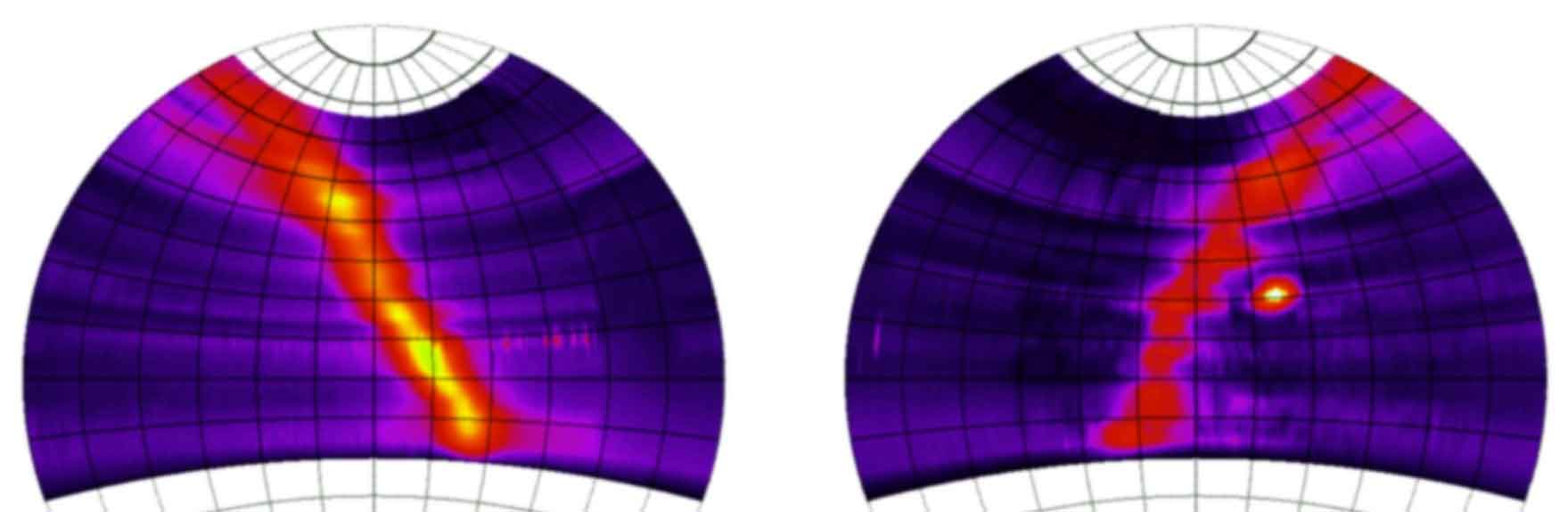
The image below shows a scan of the entire sky from the horizon to the zenith in the 1420 MHz frequency range.
Dr. Klaus Henning
Apr 6, 2025
The Sun at Three Wavelengths
radio_astronomy
technic
sun
The Sun at Three Wavelengths
Dr. Klaus Henning
Apr 5, 2025
Observing the Sun with a Simple SAT Finder
radio_astronomy
technic
sun
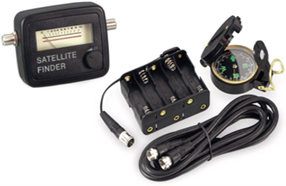
The Sun is not only the brightest object in the sky in visible light, but also the strongest natural source of radiation in the radio domain. At higher frequencies, the…
Dr. Klaus Henning
Apr 5, 2025
Observing the Moon with the Logarithmic Detector AD8313
radio_astronomy
technic
moon
On 28 January 2024, shortly after midnight (23:06 UTC), we succeeded in recording the waning Moon at approximately 11 GHz from a field outside Berlin, using a 1-metre…
Dr. Klaus Henning
Apr 4, 2025
Using a Logarithmic Detector for Radio Astronomy
radio_astronomy
technic
Instead of a SAT finder, a logarithmic detector can also be used to detect cosmic radio radiation. Such a detector produces a much more uniform signal than a SAT finder and…
Dr. Klaus Henning
Apr 3, 2025
No matching items
Back to top